Modern university campuses are bustling hubs of learning and innovation, and at their core lies reliable connectivity. For students and staff alike, seamless Wi-Fi isn’t just a convenience, it’s a critical utility. But how do you deliver consistent, high-performance wireless in dense, dynamic environments? We sat down with Young Cho, Senior Manager, Network and Telecommunication Services at the University of Otago, New Zealand’s oldest university, to discuss their transformative journey with Cisco’s AI-Enhanced Radio Resource Management.
Q&A with Young Cho
Q: Young, thank you for joining us. To start, could you tell us a bit about your role at the University of Otago?
A: Absolutely. I serve as the Senior Network Services Manager here. My team supports the entire network infrastructure for approximately 22,000 students and 4,500 staff across over 280 buildings spanning our campuses in Dunedin, Wellington, Christchurch, Invercargill and Auckland. This includes wired and wireless campus networking, data centers, security, and collaboration services.
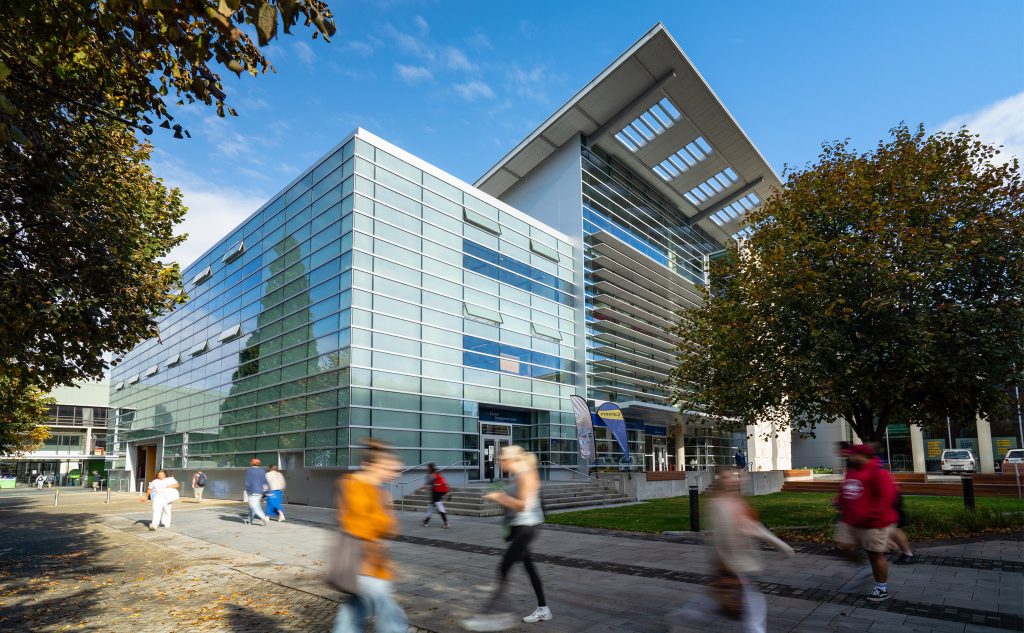
Q: That sounds like a massive undertaking. Can you give us a sense of the scale and unique challenges of providing Wi-Fi across such a large and diverse university environment?
A: It certainly is. We manage a vast footprint, covering over 400,000 square meters. Our primary challenge was delivering consistent, high-quality Wi-Fi in high-density areas like our eight libraries, seeing around 2,500 users at peak and 6,000 unique users throughout the day, and our 11 residential colleges, supporting over 3,500 rooms 24/7. These spaces combine legacy layouts with modern designs, making flexible, per-building tuning essential.
Q: What was the wireless experience like before you implemented Cisco Catalyst Center and AI-Enhanced RRM?
A: Three years ago, our Wi-Fi experience was a significant pain point. We faced substantial user dissatisfaction, particularly in high-density areas like libraries and lecture theatres. Traditional RRM algorithms simply couldn’t optimize for our unique per-building conditions. Managing nearly 6,000 access points with 12 independent wireless LAN controllers was unsustainable and reactive; we were constantly troubleshooting. We required centralized, scalable, and flexible wireless management, which Catalyst Center delivered beyond what Prime Infrastructure could achieve.
Q: That sounds incredibly challenging. Can you share a specific example of how AI-RRM has made a tangible difference in a high-density area?
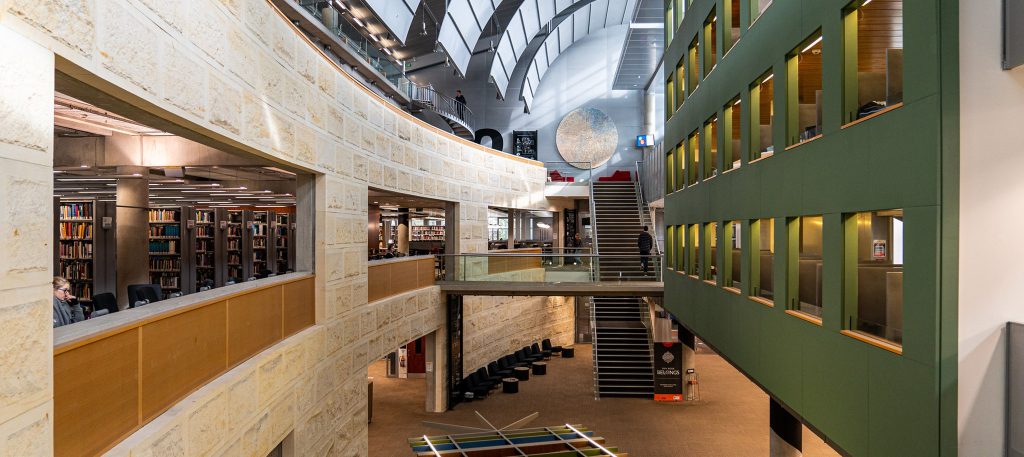
A: Our Central Library is a perfect example. It’s our highest-density site, with 2,000-2,500 students during peak periods like right before exam periods. Before AI-RRM, we experienced frequent issues like excessive roaming and unstable connections due to the constantly changing radio environment. Now, with AI-RRM, the system continually monitors and adjusts the radio experience, optimizing it every 20 minutes. This proactive approach has led to a “really big improvement.”
Q: How has this impacted your operational workload and the student experience?
A: The change has been dramatic. Operationally, wireless-related complaints have nearly disappeared, down from 10-20 daily tickets. This has significantly reduced our overhead, shifting our NetOps team from reactive troubleshooting to proactive service assurance.
For students, this translates to a vastly improved experience. Wi-Fi is critical for their daily life and academic success, especially during crucial exam periods. They now enjoy stable, high-performance connections, and this positive shift is clearly reflected in our student satisfaction surveys, where Wi-Fi, once a low point, has notably improved.
Q: Beyond the libraries, where else has AI-RRM proven beneficial?
A: Our residential dorms, comprising more than 30 different sizes of buildings and 3,500 student rooms, are another critical area. Each room has an access point, and Wi-Fi is fundamental to the student’s basic experience. AI-RRM has been instrumental in managing this vast and dynamic environment, ensuring reliable connectivity across all residential areas.
Q: Looking ahead, what’s next for the University of Otago’s wireless strategy?
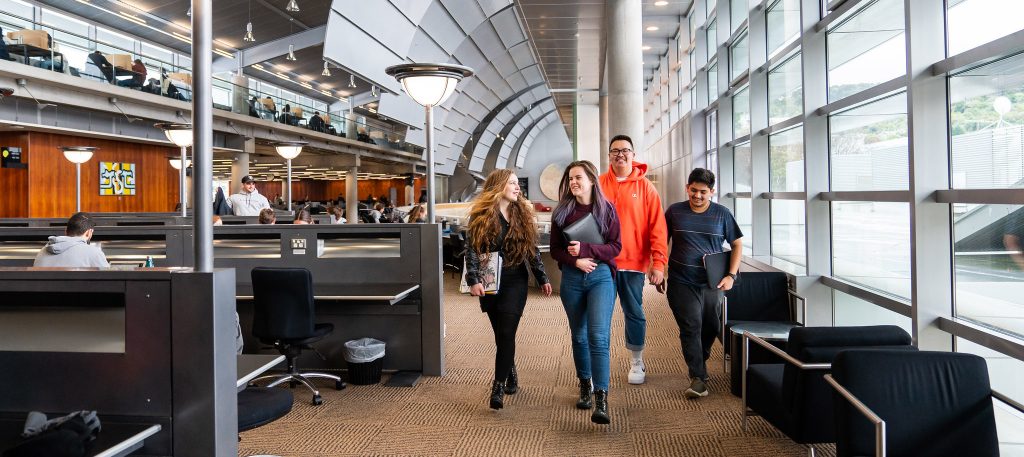
A: We’ve been working with Cisco CX Services to make this a success and are excited about the continued partnership. We’re preparing to upgrade our Central Library, our highest-density site, from Wi-Fi 6E to Wi-Fi 7. We also plan to extend wireless services to two new residential colleges, bringing our total to over 6,800 access points by early 2026. This will solidify our position as one of New Zealand’s largest higher-education Wi-Fi deployments. While AI-RRM is highly effective, we anticipate future iterations offering more granular, context-aware recommendations, especially as Wi-Fi 7 brings new complexities.
Young, thank you for sharing your insights. It’s clear that the University of Otago is leading the way in delivering exceptional campus connectivity.
Ready to transform your campus network?
Learn more about Cisco Catalyst Center and AI-Enhanced RRM today!


